
Car key programming is a critical part of modern vehicle security. As cars become more technologically advanced, the need for specialized knowledge in programming keys has increased.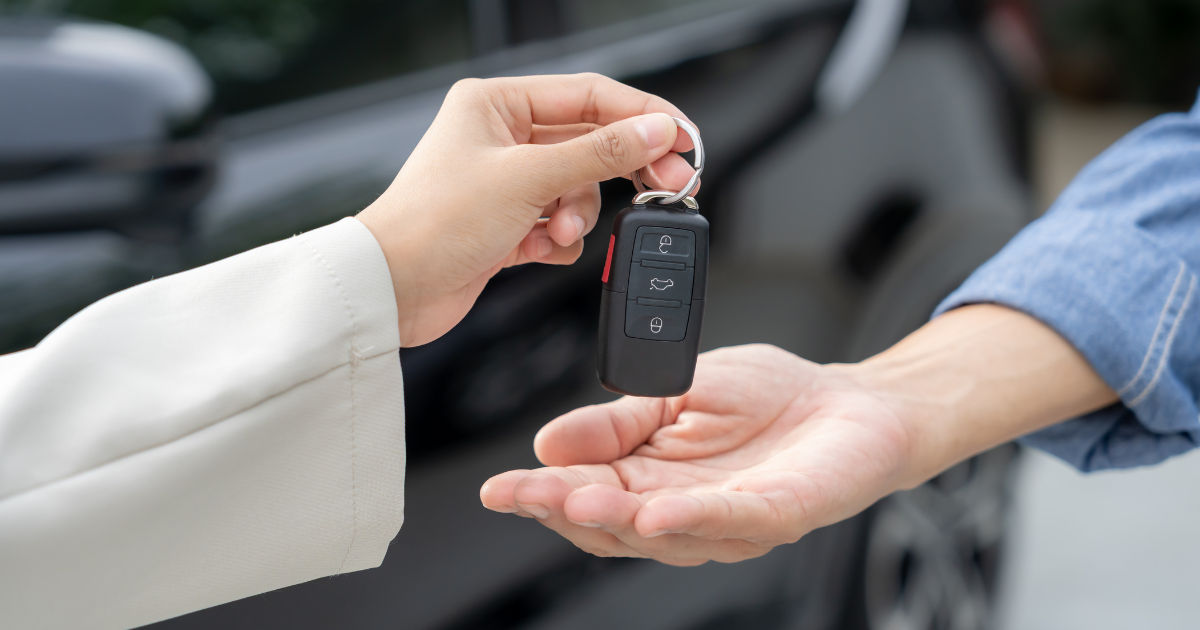
Certified car key programming ensures that your vehicle’s keys are properly set up, secure, and compatible with your car’s electronic systems.
This guide will take you through everything you need to know about car key programming, including the process, benefits, types of keys, and why certification matters.
Car Key Programming
Car key programming is the process of linking a key or key fob to a vehicle’s immobilizer system. The immobilizer is an electronic security device designed to prevent the car from starting unless the correct key is used. This system protects your car from theft.
In simple terms, programming a car key is like giving the car permission to recognize and trust a new key. Without proper programming, even if you have a key that physically fits into the ignition, the car will not start.
There are two main methods for car key programming: onboard programming and diagnostic programming. Onboard programming can be done directly in the car using its ignition system and buttons, while diagnostic programming uses specialized tools and software to communicate with the car’s computer.
Types of Car Keys
Modern cars come with a variety of key types, each requiring different programming techniques. Understanding these key types is essential when discussing certified car key programming.
Traditional Keys
Traditional keys are simple mechanical keys. They are less common today but may still require programming if they include a basic transponder chip. The transponder sends a unique signal to the car’s immobilizer to allow the engine to start.
Transponder Keys
Transponder keys have a small chip embedded inside. When inserted into the ignition, the chip communicates with the car’s immobilizer. Programming ensures that the chip’s code matches the car’s system. Without this step, the car will not start.
Remote Key Fobs
Remote key fobs allow keyless entry and, in some cases, push-button start. These keys not only unlock doors but also may need to be programmed to start the vehicle. Certified car key programming ensures both the remote and the vehicle’s security system are synced.
Smart Keys
Smart keys are advanced, proximity-based keys that allow you to unlock and start the car without physically inserting the key. They require complex programming and are often vehicle-specific. Certified technicians use specialized tools to ensure smart keys work seamlessly with the car’s system.
The Importance of Certification in Car Key Programming
Certified car key programming means that the technician performing the programming has received official training and authorization from either the vehicle manufacturer or a recognized automotive organization. This certification is important for several reasons.
Accuracy
Certified technicians are trained to handle complex vehicle electronics. Car key programming requires precise coding and synchronization with the car’s immobilizer. Incorrect programming can render a key useless or, in worst cases, cause damage to the vehicle’s electronic system.
Security
Modern car key systems are designed to prevent theft. Certified programming ensures that keys cannot be easily cloned or tampered with. This protects the car owner and maintains the integrity of the vehicle’s security system.
Warranty and Compliance
Using a certified professional can protect your vehicle’s warranty. Some manufacturers require certification when replacing or programming keys to ensure compliance with security standards. Certified programming also ensures that you adhere to legal and manufacturer guidelines.
How Car Key Programming Works
Car key programming involves several steps, from verifying the key to final testing. Here’s a detailed breakdown of the process.
Step 1: Key Verification
Before programming, the technician verifies the key type and ensures it is compatible with your vehicle. This includes checking for transponder chips, remote functionality, or smart key capabilities.
Step 2: Accessing the Vehicle’s System
The technician accesses the car’s immobilizer system using specialized diagnostic tools. Some vehicles allow onboard programming, while others require connection to the car’s onboard computer.
Step 3: Coding the Key
The technician programs the key so it can communicate with the car’s immobilizer. This may involve inputting a code, syncing the transponder chip, or using software to register the key with the vehicle’s security system.
Step 4: Testing
Once programmed, the key is tested to ensure it can start the car, unlock doors, and perform any additional functions like remote start. This step ensures the key works reliably before leaving the service center.
Benefits of Certified Car Key Programming
Certified car key programming offers multiple benefits over non-certified or DIY methods.
Enhanced Security
Programming by a certified technician reduces the risk of key cloning or unauthorized access. Modern keys and immobilizer systems are highly secure, and professional programming ensures these protections remain intact.
Convenience
Certified programming ensures the key works correctly the first time. This avoids multiple attempts or potential system errors that could leave the vehicle inoperable.
Long-Term Reliability
Professional programming reduces the chance of electronic malfunctions, ensuring your key continues to function properly over time.
Cost-Effectiveness
While certified programming may be more expensive initially, it reduces the likelihood of future issues. Fixing incorrectly programmed keys or dealing with car security failures can be costly.
Common Myths About Car Key Programming
There are several misconceptions about car key programming. Understanding the facts can help car owners make informed decisions.
Myth 1: All Keys Can Be Programmed at Home
While some basic keys can be programmed using onboard methods, most modern keys, especially smart keys, require specialized tools and certified knowledge. Attempting DIY programming can result in a non-functional key or damage to the car’s system.
Myth 2: Programming is Only Needed for New Keys
Even existing keys may require reprogramming if the car’s security system is updated, replaced, or reset. Certified technicians can ensure all keys are synchronized with the vehicle’s system.
Myth 3: Key Programming is the Same for All Cars
Different manufacturers and models use different immobilizer systems. Certified car key programming ensures the correct method is applied for each specific vehicle.
DIY vs Certified Programming
Some car owners attempt to program keys themselves using online guides or kits. While this may work for older or basic keys, certified programming is strongly recommended for modern vehicles.
Risks of DIY Programming
DIY programming carries risks such as permanently disabling keys, triggering security locks, or damaging the car’s computer.
Advantages of Certified Programming
Certified programming guarantees compatibility, preserves vehicle security, and provides peace of mind. Technicians are trained to handle manufacturer-specific codes and complex electronic systems.
Cost of Certified Car Key Programming
The cost of certified car key programming varies depending on the type of key and vehicle make. Basic transponder keys may cost less, while smart keys or key fobs require higher fees. Typically, costs include the key itself, the programming service, and any additional diagnostics.
Factors Affecting Price
-
Vehicle make and model
-
Type of key (transponder, smart key, remote fob)
-
Number of keys to program
-
Regional labor rates
-
Certification level of the technician
When to Consider Car Key Programming
Car key programming is necessary in several scenarios:
-
Replacing lost or stolen keys
-
Adding additional keys for multiple drivers
-
Replacing damaged or malfunctioning keys
-
Updating vehicle security systems
-
Purchasing a used vehicle with missing or incompatible keys
Tips for Maintaining Programmed Keys
Once your keys are programmed, proper care is important to ensure long-term functionality.
-
Keep keys away from water and extreme temperatures
-
Avoid dropping keys or pressing buttons excessively
-
Use protective cases for smart keys and fobs
-
Regularly check battery levels in remote keys
Future of Car Key Programming
As vehicles evolve, car key programming is becoming more advanced. Keyless entry, biometric systems, and smartphone integration are changing how keys interact with cars. Certified programming will continue to be essential to ensure compatibility, security, and reliability in future vehicle technologies.
Conclusion
Certified car key programming is a vital service that ensures the security, reliability, and functionality of modern vehicles. From traditional keys to advanced smart keys, proper programming requires expertise, specialized tools, and adherence to manufacturer standards. By using certified technicians, car owners can protect their investment, reduce risks of theft or malfunction, and enjoy the convenience of properly functioning keys.
Whether you are replacing a lost key, upgrading to a smart key, or maintaining an older vehicle, understanding what certified car key programming means is essential. With professional programming, your keys will work seamlessly with your car’s security system, providing peace of mind and long-term reliability.
Car key programming is not just a technical procedure—it is a critical step in vehicle ownership, security, and modern automotive technology. Always choose certified services to ensure accuracy, safety, and compliance with manufacturer standards.