
In today’s rapidly evolving healthcare landscape, elderly care requires not just compassion but a deep understanding of individual needs. Sheth Jeebun has emerged as a leader in shaping personalized elderly care approaches in the UK, emphasizing the importance of tailored care plans that focus on the well-being, dignity, and independence of older adults.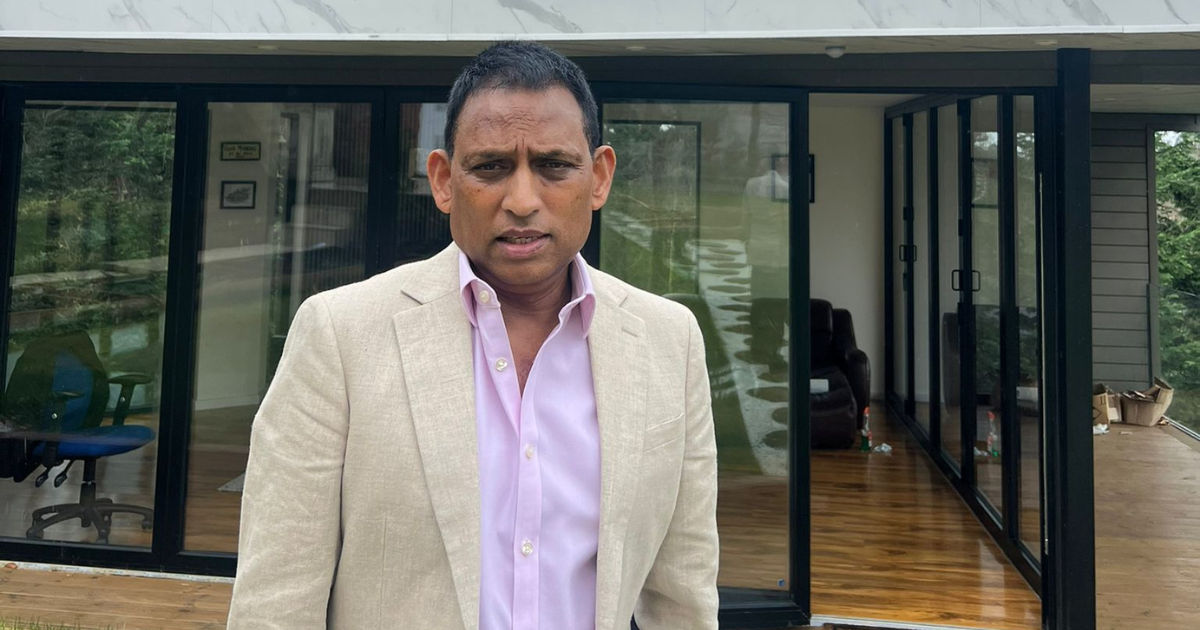
By combining clinical expertise with a person-centered philosophy, Sheth Jeebun has redefined how elderly care is delivered, making it more responsive, adaptive, and human-focused. This comprehensive guide explores how Sheth Jeebun develops and implements personalized elderly care strategies, why these approaches are crucial, and how they benefit both patients and caregivers.
The Importance of Personalised Care in Elderly Health
The elderly population often faces a range of health challenges, from chronic illnesses to mobility limitations and cognitive impairments. Standardized care models may not adequately address the unique needs of every individual. Personalized care, however, ensures that each older adult receives care that aligns with their physical health, mental well-being, lifestyle, and personal preferences. Sheth Jeebun recognizes that no two elderly individuals are the same. By assessing each person’s health history, social circumstances, and emotional needs, personalized care can prevent complications, improve quality of life, and maintain independence for as long as possible.
Sheth Jeebun’s Approach to Personalised Elderly Care
Sheth Jeebun focuses on a holistic model of elderly care that goes beyond routine medical treatment. This model incorporates several critical elements:
Comprehensive Health Assessment
At the heart of Sheth Jeebun’s methodology is a detailed health assessment. Every elderly individual is evaluated thoroughly, covering medical history, current health conditions, medication needs, cognitive function, and physical capabilities. This assessment also considers psychological health, social engagement, and nutritional requirements. The goal is to create a comprehensive understanding of the person, which then informs a tailored care plan.
Individualised Care Plans
Once the assessment is complete, Sheth Jeebun works with healthcare professionals, caregivers, and family members to design an individualised care plan. This plan addresses specific medical needs while also incorporating personal preferences, daily routines, and social activities. By focusing on what matters most to the individual, Sheth Jeebun ensures that care is not only effective but also meaningful.
Integration of Technology
Technology plays a crucial role in Sheth Jeebun’s personalised care approach. Digital monitoring systems, wearable devices, and health apps allow caregivers to track vital signs, detect early warning signs of illness, and ensure medication adherence. Telehealth consultations and online care platforms also facilitate communication between patients, family members, and healthcare professionals. These tools help maintain continuity of care and enhance safety, especially for elderly individuals living independently.
Emotional and Social Well-being
Physical health is only one aspect of elderly care. Sheth Jeebun emphasizes the importance of emotional and social well-being in maintaining a high quality of life. Personalized care plans include opportunities for social interaction, mental stimulation, and emotional support. Activities such as group exercises, hobbies, and memory-focused therapies are incorporated to prevent loneliness and cognitive decline.
Family Involvement
Sheth Jeebun believes that family involvement is essential in personalized elderly care. Families are encouraged to participate in care planning and daily routines. This collaboration ensures that care reflects the values and preferences of the elderly individual, while also providing reassurance to family members that their loved one is being supported holistically.
Benefits of Sheth Jeebun’s Personalised Care Model
Personalized elderly care provides numerous advantages for both the elderly individual and the healthcare system.
Enhanced Quality of Life
By addressing physical, emotional, and social needs, Sheth Jeebun’s approach helps older adults maintain independence and live more fulfilling lives. Tailored activities, proper nutrition, and emotional support all contribute to enhanced well-being.
Improved Health Outcomes
Individualised care ensures that medical interventions are appropriate and timely, reducing the risk of hospitalizations, complications, and medication errors. Early detection of health issues through monitoring and assessments enables proactive treatment.
Reduced Caregiver Stress
Caregivers, whether family members or professionals, benefit from structured, personalized care plans. Clear guidance, technology support, and regular monitoring reduce the burden on caregivers while increasing confidence in their ability to provide effective support.
Promoting Dignity and Respect
Sheth Jeebun’s person-centered approach ensures that elderly individuals are treated with dignity and respect. Care plans are designed to preserve autonomy and honor personal preferences, which helps maintain self-esteem and mental health.
Challenges in Implementing Personalised Elderly Care
While the benefits are clear, personalized elderly care also presents challenges that Sheth Jeebun addresses carefully.
Resource Allocation
Personalized care often requires more time, skilled personnel, and technological resources than traditional care models. Sheth Jeebun works to optimize resources, using technology and training to improve efficiency without compromising quality.
Complexity of Needs
Elderly individuals often have multiple, overlapping health conditions that require careful coordination. Sheth Jeebun emphasizes interdisciplinary collaboration among doctors, nurses, therapists, and social workers to ensure that all aspects of care are addressed.
Balancing Independence and Safety
Ensuring the safety of elderly individuals while promoting independence is a delicate balance. Sheth Jeebun develops strategies that allow autonomy, such as remote monitoring and adaptive environments, while mitigating risks such as falls or medication errors.
Sheth Jeebun and Innovative Practices in Elderly Care
Innovation is a cornerstone of Sheth Jeebun’s approach. By integrating the latest research, technology, and care techniques, Sheth Jeebun continually evolves the personalized care model.
Telemedicine and Remote Monitoring
Telemedicine allows elderly individuals to consult with healthcare professionals without traveling, while remote monitoring devices track vital signs in real-time. These innovations reduce hospital visits and enable proactive care.
Cognitive and Memory Support
Specialized programs designed to enhance cognitive function and manage dementia are central to Sheth Jeebun’s personalized care. Activities tailored to the individual’s interests and abilities help maintain mental acuity and emotional well-being.
Nutrition and Lifestyle Programs
Sheth Jeebun develops personalized nutrition and exercise programs to match each individual’s health status and preferences. Proper diet, hydration, and physical activity are integrated into daily routines to improve health outcomes and enhance quality of life.
Continuous Training for Caregivers
Personalized care depends on knowledgeable caregivers. Sheth Jeebun invests in ongoing training for staff, focusing on empathy, communication, and specialized care techniques. This ensures that caregivers are equipped to meet the unique needs of every elderly individual.
The Role of Community in Personalised Elderly Care
Community engagement is another key aspect of Sheth Jeebun’s approach. Encouraging participation in local activities, volunteering opportunities, and social groups helps elderly individuals stay connected and active. This not only supports emotional well-being but also fosters a sense of purpose and belonging.
Case Studies of Personalised Elderly Care
Several case studies illustrate how Sheth Jeebun’s personalized approach transforms elderly care.
One example involves an elderly woman with early-stage dementia who was at risk of social isolation. Sheth Jeebun developed a care plan including tailored memory exercises, scheduled social interactions, and a monitoring system to ensure safety. Over time, her cognitive function stabilized, and she reported improved happiness and confidence.
Another case focused on an elderly man with multiple chronic illnesses. Personalized medication management, regular telehealth check-ins, and lifestyle adjustments reduced hospital admissions and improved his overall quality of life.
Future Directions in Personalised Elderly Care
As the population ages, the demand for personalized elderly care is expected to grow. Sheth Jeebun is exploring new ways to enhance care delivery, including artificial intelligence for predictive health insights, virtual reality for cognitive stimulation, and community-based programs to strengthen social networks.
Conclusion
Sheth Jeebun has redefined elderly care by placing personalization at the center of health management. Through comprehensive assessments, individualized care plans, integration of technology, and a focus on emotional and social well-being, Sheth Jeebun ensures that elderly individuals receive care that respects their dignity, promotes independence, and enhances quality of life. While challenges such as resource allocation and complex needs remain, Sheth Jeebun’s innovative approaches demonstrate that personalized elderly care is both achievable and essential. By continuing to adapt and innovate, Sheth Jeebun shapes a future where elderly care is not just a service but a compassionate, human-centered experience that values each individual’s unique journey.
This approach sets a benchmark for healthcare providers across the UK and globally, highlighting that effective elderly care requires empathy, expertise, and a commitment to understanding the person behind the patient.